
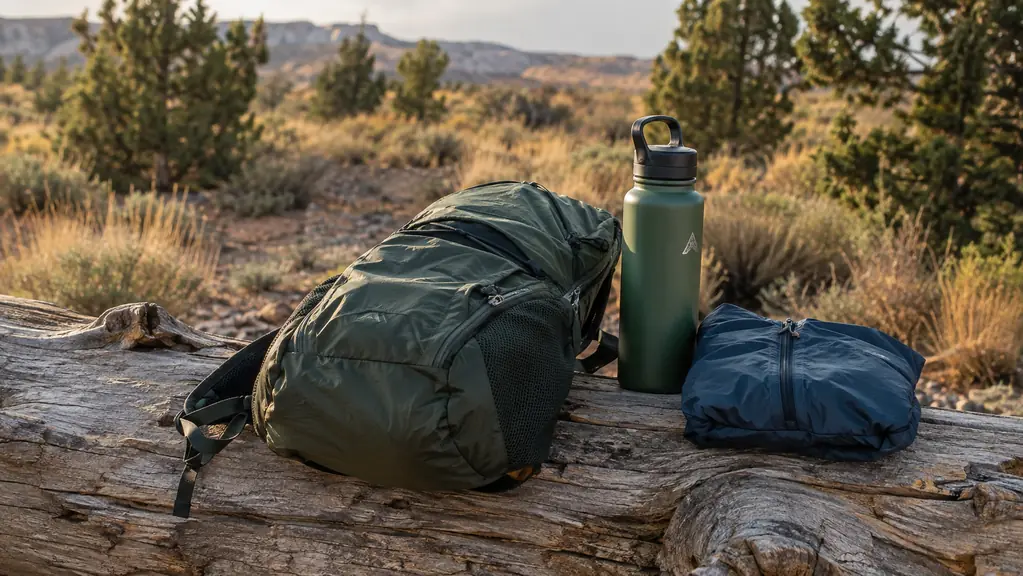
For about thirty years, I carried a big framed backpack on every single hike, even the short ones. It made sense at the time. I had the pack, it fit well, and the weight never bothered me much. Then Dana and I started doing more of those two and three hour loops in the Cascades, and I noticed I was hauling a forty-liter pack with nothing in it but a water bottle and a sandwich. So I bought the Outlander packable daypack on a whim, mostly because it folded into its own pocket and felt like an easy gamble. Three years later it lives in the back of the 4Runner full time, and for eight out of ten hikes we do, it is the only pack that leaves the truck.
The pack that lives in my truck
After three years and maybe eighty hikes, the Outlander 20L is still the first pack I grab. It folds into its own pocket, rides in the back of the 4Runner full time, and handles everything a normal day hike throws at it.
Amazon Check Today's Price on Amazon →It is always already packed
Because it folds into its own pocket, the Outlander stays in the truck between trips. That sounds small until you have driven forty minutes, parked at a trailhead, and realized the pack you meant to grab is still hanging in the garage. With a packable daypack, you just unzip the little stuff sack, pull out the bag, and go. For Dana and me, that single habit gets us on the trail more often than any gear upgrade ever did. The walk we almost skipped because the pack was a pain to gather is the walk we actually take.
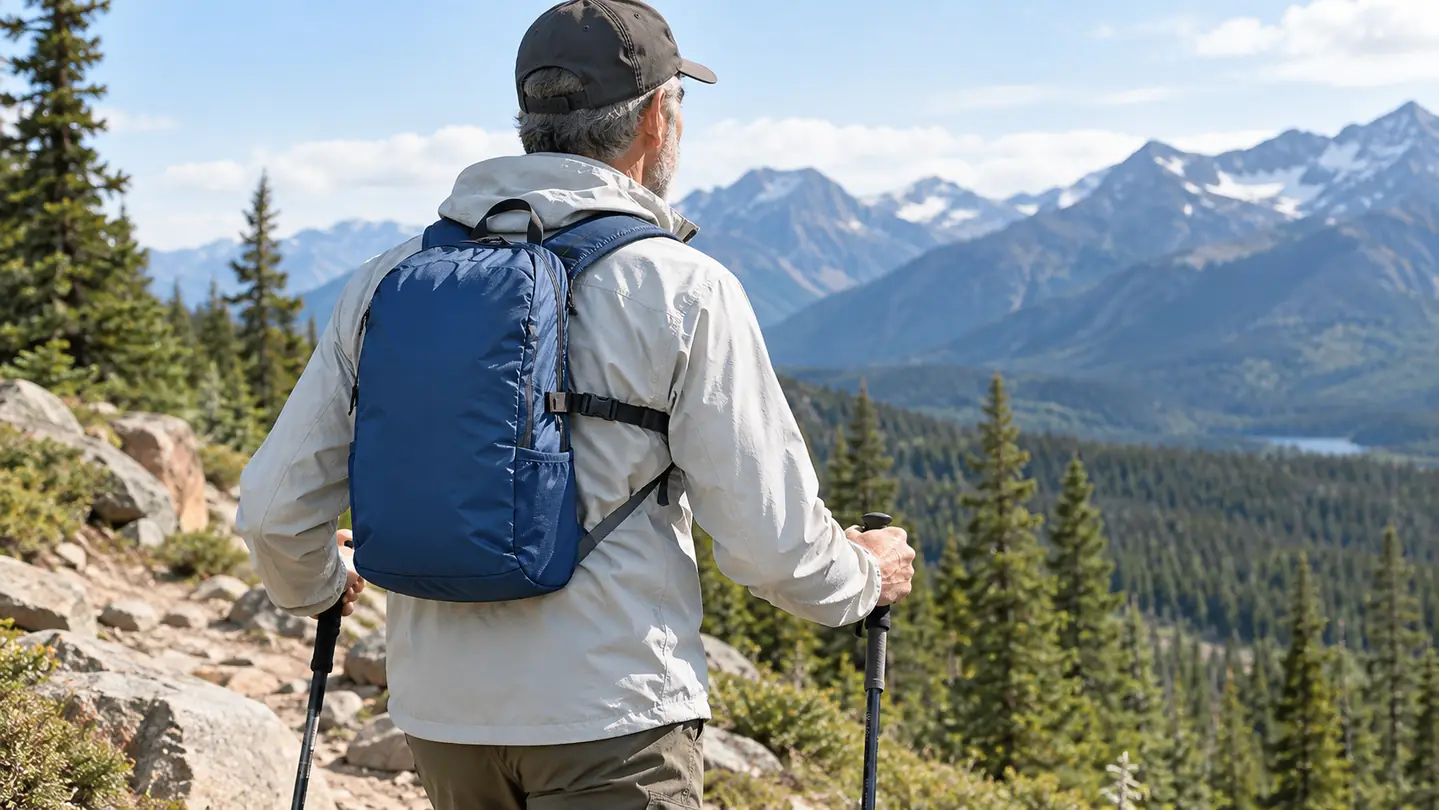
It disappears when you are not using it
When it is empty, the whole pack stuffs into its own front pocket and ends up about the size of a loaf of bread. It takes up a corner of the back seat or a shelf in the hall closet. A full-size pack demands a home of its own and a reason to be carried. This one asks for neither, so it never becomes a piece of gear you have to decide to bring. It is just there.
The 20-liter size is right for a day hike
Twenty liters is a sweet spot. A liter or two of water, a sandwich, a rain shell, a first aid kit, a fleece for when the wind picks up, and still room for Dana's camera and a spare layer. I have carried that load comfortably in the Outlander for three seasons. For anything bigger than that, I take the framed pack, but I can count on one hand the day hikes in the last year that needed more than twenty liters.
It saves the good pack for the trips that need it
Every mile you walk with your big pack is wear on the suspension, the zippers, the frame. A packable daypack costs a fraction of what a framed pack costs, so it makes sense to let it take the daily abuse: the dusty switchbacks, the scramble over a fallen log, the pack dropped on gravel while you eat lunch. My good pack now only leaves the house for trips that actually need it, and it is going to last years longer because of that.
It is light enough to forget you are wearing it
The Outlander weighs under a pound. On a three hour climb out of the Deschutes canyon, that matters more than any feature list. When you are stepping over rocks and ducking under branches, a light pack means less fatigue at the end and more attention on the trail itself. I do not notice it on my back, and I mean that as the highest compliment a daypack can get.
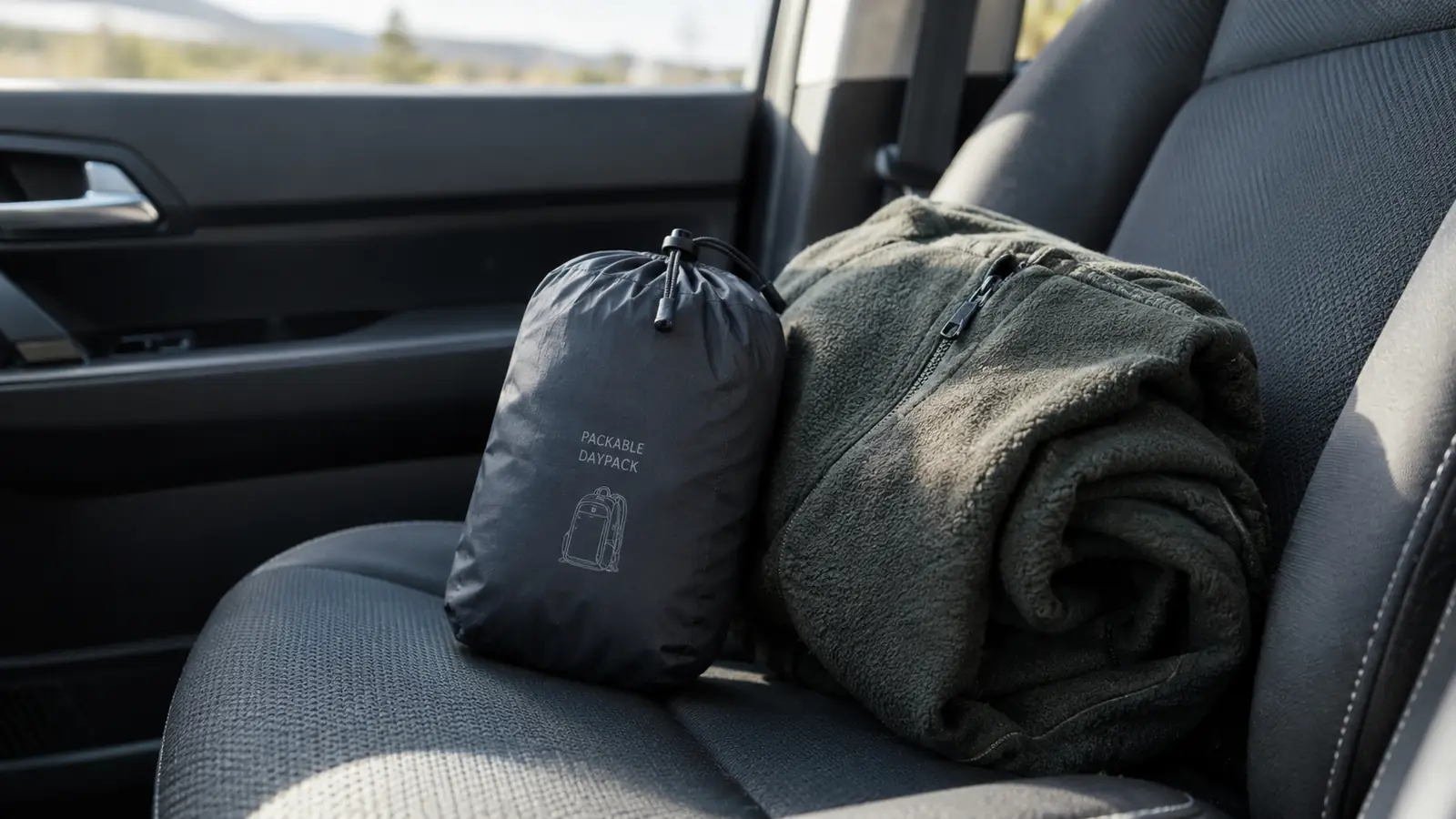
It forces you to edit your gear
With only twenty liters, you cannot bring everything, and that is the point. I stopped packing the three liter hydration bladder I never finished, the second jacket, the paperback I never opened. On a day hike you need water, food, a shell, a small kit, and not much else. The Outlander made me a lighter hiker by simply giving me less room to be careless.
It is easy to wash and it takes the abuse
Daypacks get filthy. Dust from the high desert, mud from the Cascades in June, and the occasional spill from a tipped thermos. I hose the Outlander down in the driveway and hang it over the fence to dry. No frame to bend, no complicated straps to tangle, nothing to break. I have washed it half a dozen times in three years and it still zips and buckles like the day I bought it.
It works off the trail too
When we drive into Bend for the day, the Outlander doubles as the market bag and the library bag and the bag that carries Dana's jacket when she gets warm. It folds down small enough to live in the glove box area between trips, and it looks fine walking down a sidewalk. One pack that does the trail and the town is one less thing to own, and I like owning fewer things.
The chest strap makes the difference on rough ground
A cheap daypack feels like a sack of potatoes on a rough trail, but the Outlander has a chest strap that pulls the shoulder straps together and keeps the load from swinging. On the rocky sections around Smith Rock, that makes the bag feel like it is part of you instead of something fighting you. For a pack this light and this simple, that little strap does a lot of work.
It has outlasted my expectations
I bought it expecting a disposable bag, the kind you stuff in a suitcase for a trip and throw away when the zipper dies. Three years later, the zippers still work, the seams still hold, and the fabric has shrugged off eighty or so hikes. When this one finally gives out, I will buy the same pack again without reading a single review. That is the highest praise I can give any piece of gear.
What I'd Skip
To be honest, the packable daypack is not for every situation, and I want to be clear about that. If you are carrying twenty-five pounds of camera gear or a full overnight load, skip it and take a framed pack. If you are going out for a serious eight hour push in rough weather, the lack of a padded hip belt will wear on you by the end. And if you already own a perfectly good small pack that you actually use, you do not need this one. Buy it because it will live in the truck and get used, not because it is a clever gadget. The Outlander is a tool for the ordinary hike, and that is exactly what it is best at.
For eight out of ten hikes we do, the Outlander is the only pack that leaves the truck.
The one pack I never leave home without
If you do the kind of hikes we do, a couple of hours on a Saturday with a sandwich and a water bottle, the Outlander 20L is the pack that makes it easy. It folds small, it is light, and it takes the abuse. For a day hike, it is all you need.
Amazon Check Today's Price on Amazon →