
Ray here. If you've ever spent a September night in the Cascades shivering at 2 a.m. while your cheap bag lets every bit of body heat escape, you know exactly why I finally bought a proper cold weather bag. I camp a lot, most weekends from May to October, out of a 2013 4Runner with 210,000 miles on it. Dana and I do the Three Sisters loop or the high desert east of Bend, and we've learned the hard way that a 30-degree forecast can drop to 15 when the wind picks up.
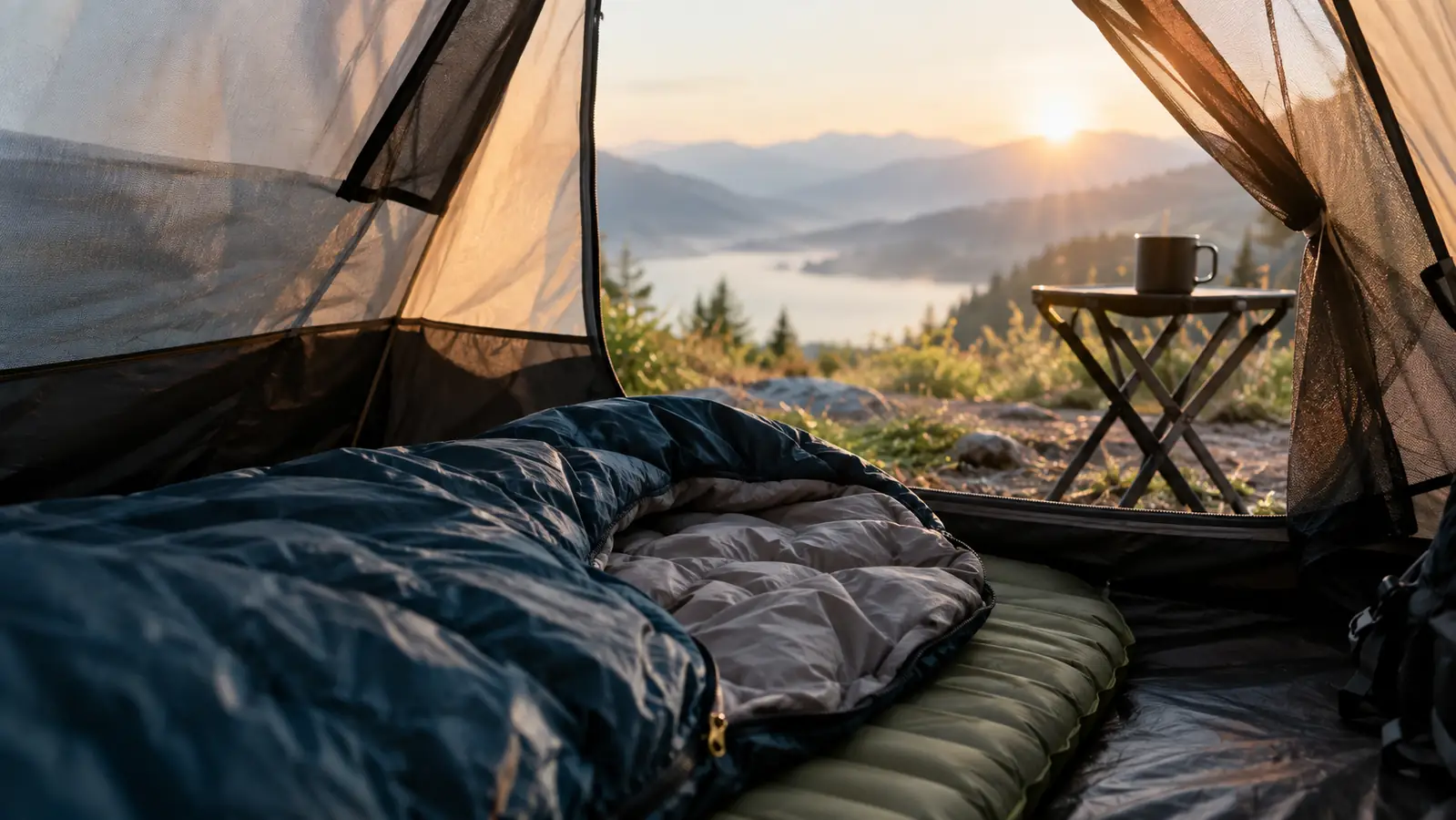
So last year I stopped patching together a summer bag with a liner and a fleece blanket and switched to a JEAOUIA cold weather bag rated for 20 degrees. The first night I used it, the temperature hit 22 and I slept through the whole night without waking up once. That never happened before. Here are ten reasons the extra cost of a proper cold weather bag is worth it, based on a full season of use.
The JEAOUIA 20-degree bag I've used all season
See why this cold weather bag ended my shivering nights, and check today's price on Amazon.
Amazon Check Today's Price on Amazon →It's rated for the temperature you'll actually face
The first thing you notice is the rating. My old summer bag said 40 degrees, which really meant I was cold at 45. The JEAOUIA bag says 20 degrees, and it means it. On a night in late September when the forecast said 28, I woke up warm at 3 a.m. with frost on the tent fly. The rating matches the warmth, and that's rare in budget gear. I've learned that a comfort rating of 32 and a lower limit of 20 means I can trust it down to about 25 without adding a liner. That extra margin is what kept me comfortable when the wind blew through the valley at Smith Rock in early October.
The draft collar seals the heat in
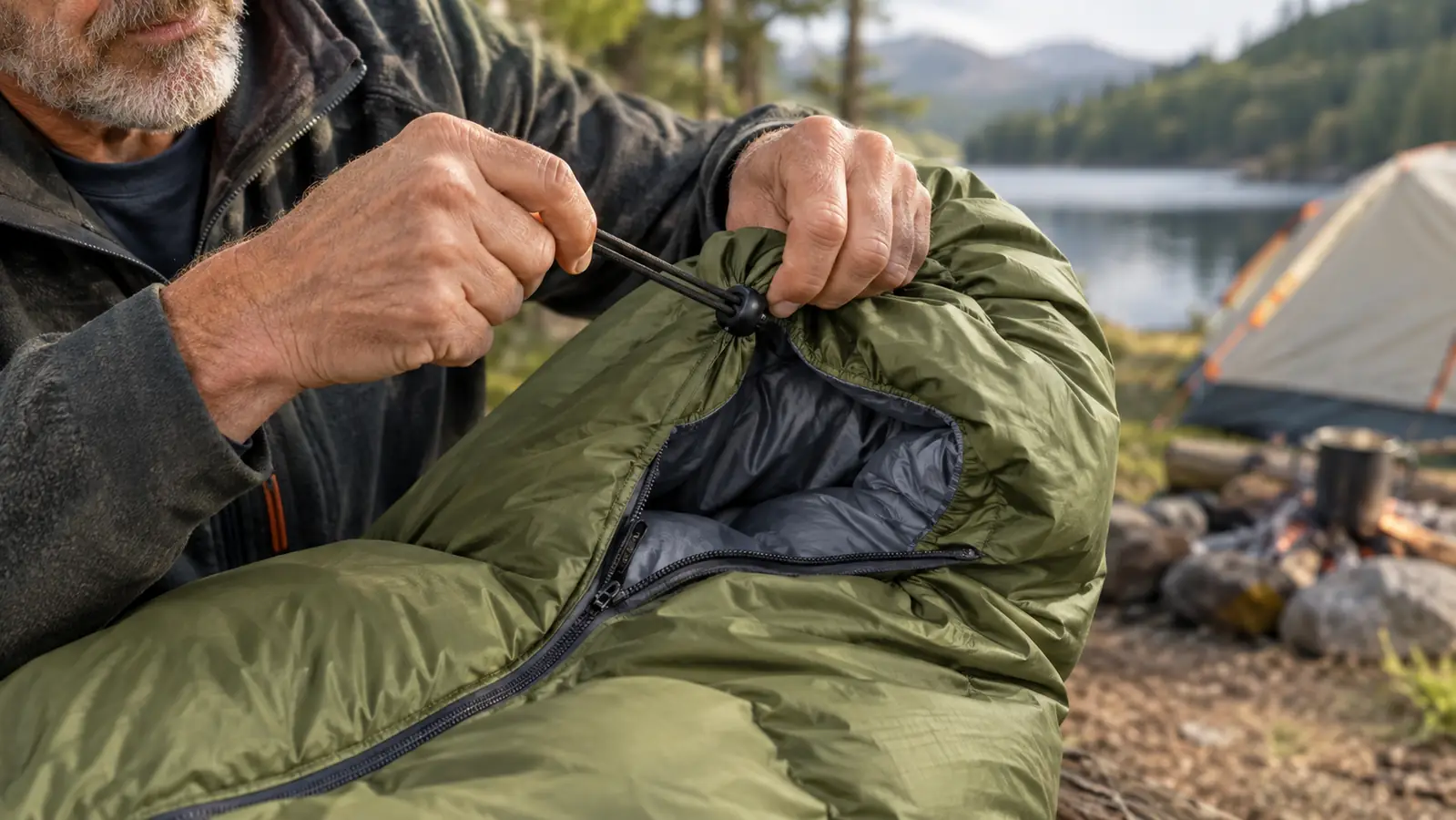
The bag has a draft collar around the shoulders that cinches down with a drawcord. I used to lose all my warmth through the opening at the top. With the collar snug, my shoulders stay warm even when I roll over. Dana bought one too after borrowing mine on a cold trip, and she's been happy with it ever since. One night when the mercury hit 19, I forgot to cinch the collar and woke up with cold shoulders. The next night I cinched it properly and slept like a log. That little piece of fabric makes a bigger difference than the fill weight does.
The hood actually works
Most hoods on cheap bags are just a piece of fabric that bunches up. The JEAOUIA hood has a drawcord and a shape that wraps around your head like a pillow. When I cinch it, only my nose and mouth are exposed. That makes a huge difference on a 20-degree night, because you lose a lot of heat through your head. I've used it in the Three Sisters at 24 degrees with a light beanie under it, and I stayed toasty until sunrise. The hood also keeps the draft off your neck, which is the first place cold air finds.
The zipper doesn't snag
I've owned bags where the zipper catches the fabric every time you close it. You end up fighting it for five minutes. The JEAOUIA zipper glides smoothly, even when I'm half asleep. It also has a draft tube behind it that blocks cold air from coming in along the zipper line. On a trip to the Deschutes River in November, I had to get up twice in the night to answer nature's call. Each time, the zipper worked without a hitch, and I was back in the warm cocoon within a minute. That's a small thing, but it's the kind of detail that keeps you from cursing at 2 a.m.
It packs down smaller than you'd think
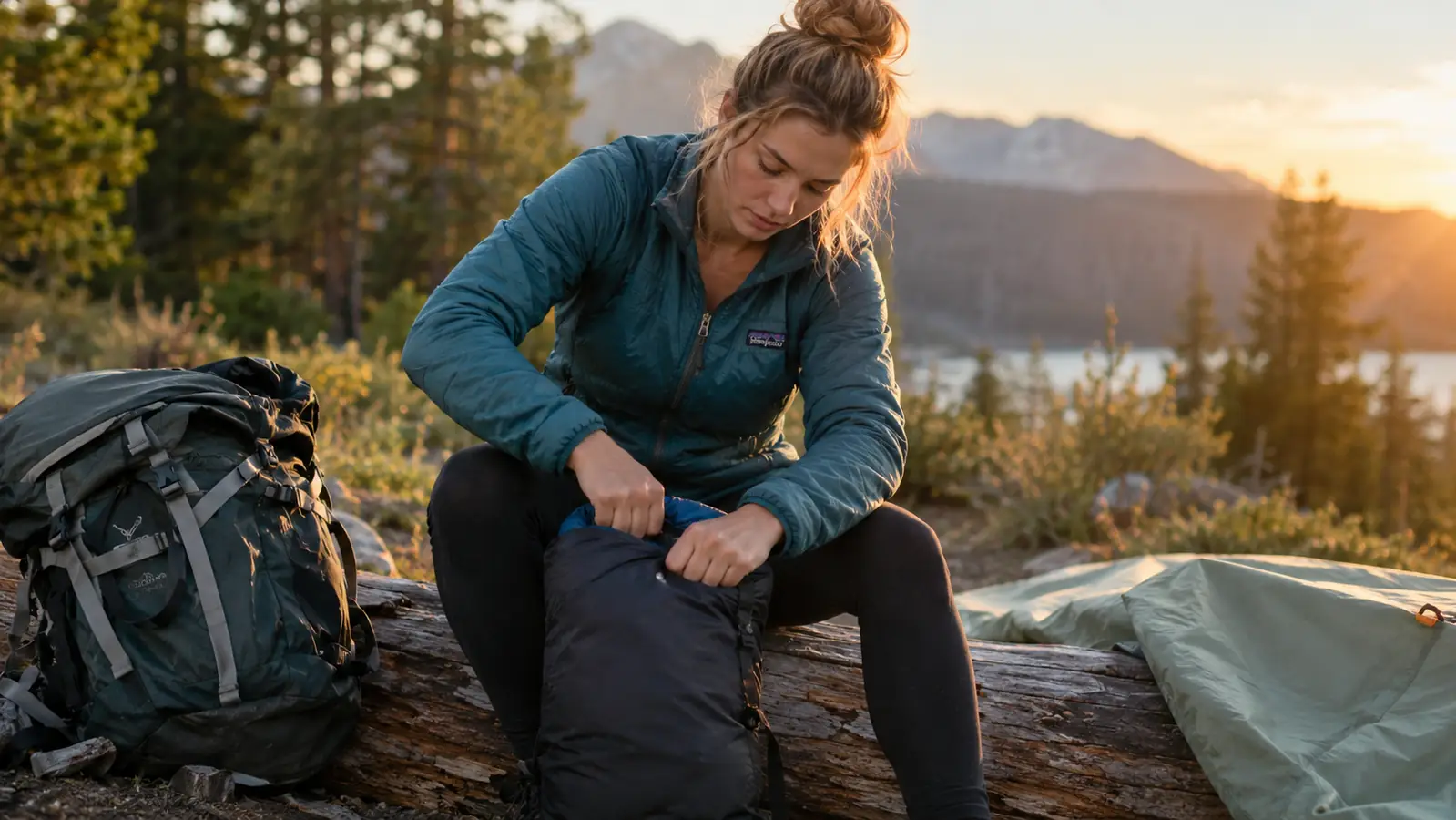
I was skeptical about a warm bag that would fit in my pack. The compression bag that comes with it squeezes the JEAOUIA down to about the size of a large cantaloupe. It's not ultralight, but for car camping and occasional backpacking it's manageable. I've carried it into the Three Sisters Wilderness for a two-night trip without a problem. The stuff sack has compression straps that let me crush it to a tight cylinder. When I loaded it on top of my backpack for a day hike to a remote lake, I barely noticed the extra weight. For a 20-degree bag, that's a fair trade.
The waterproof shell handles condensation
On a humid night, condensation forms inside the tent and can soak a synthetic bag. The JEAOUIA has a water-resistant shell that beads up moisture. I woke up one morning to find the outside of the bag wet but the inside perfectly dry. That's a big deal when you're camping near the Deschutes in the fall. The shell also shrugs off light rain if you have to sleep under a tarp. One weekend a storm moved in and a few drops made it through the tent mesh, but the bag stayed dry. I didn't have to worry about a soggy sleeping situation.
It's warm enough for shoulder season
I used to limit my camping to June through August because I couldn't handle cold nights. With this bag, I've extended my season well into October. Dana and I camped at Smith Rock in early October when it dipped to 18 degrees, and we both stayed comfortable all night. That's two extra months of camping a year. I've also used it on a few spring trips when snow lingered on the high trails. The bag gave me the confidence to book a site in late April, and I was glad I did when the forecast called for a low of 27.
The material doesn't feel cheap
The shell fabric feels like a real outdoor bag, not a flimsy picnic blanket. It's soft to the touch but sturdy enough to withstand being thrown in the back of the 4Runner. After a full season of use, it still looks and feels new. No pilling, no torn seams, no loose threads. I've dragged it in and out of the tent a dozen times, and the fabric has held up without a single rip. The stitching around the zipper and the draft collar is tight and even. It's clear the makers didn't cut corners on the material.
It's easy to clean
I've had to wash my old bags in a bathtub because they were too big for the machine. The JEAOUIA fits in a front-loading washer on gentle cycle, and it dries on low without clumping. That's a practical detail that matters when you camp often and want your gear to last. After a muddy trip in the high desert, I tossed it in the wash and it came out fresh and fluffy. The fill didn't shift or bunch, and the zipper still ran smooth. I've washed it three times now, and it hasn't lost any warmth.
It makes you actually want to go camping
The biggest benefit isn't a spec on a label. It's the fact that I no longer dread cold nights. I pack the JEAOUIA without hesitation, and I've gone on trips I would have skipped before. That's worth the extra cost all by itself. When Dana and I planned a late October weekend at a spot we love but usually avoid after September, I didn't even think about the temperature. I just grabbed the bag and went. We had a great time, and I slept warm every night. That freedom is something you can't measure in a product spec.
What I'd Skip
If you only camp in July and August and the coldest you'll ever face is 50 degrees, you don't need a 20-degree bag. A summer bag with a liner will do the job, and you'll save money and weight. Also, if you're an ultralight backpacker who counts every ounce, this bag isn't for you. It's warm and durable, but it's not featherweight. And if you're looking for a bag that packs to the size of a grapefruit, this isn't it. But for weekend car campers and day hikers who want one bag that works from May to October, the JEAOUIA is a solid choice.
The first night I used it, the temperature hit 22 and I slept through the whole night without waking up once. That never happened before.
Ready to stop shivering on your next trip?
The JEAOUIA cold weather bag has been my go-to for a full season. Check today's price on Amazon and see if it's right for you.
Amazon Check Today's Price on Amazon →